How to Paddleboard for the First Time
How to Paddleboard for the First Time
Trying stand up paddleboarding for the first time can feel exciting and a little intimidating. The good news is that paddleboarding is one of the easiest water sports to learn. With the right board, calm water, and a few simple techniques, most beginners can start paddling confidently much faster than they expect.
This guide explains how to paddleboard for the first time in a way that is easy to follow. You will learn what gear you need, how to stand up, how to balance, and how to make your first paddleboarding trip more fun and less stressful. If you are planning to paddleboard near Crested Butte, Float Shack makes the experience even easier with beginner-friendly paddleboard rentals, local recommendations, and simple trip planning support.
Why Paddleboarding Is Great for First-Time Beginners
One reason so many people search for how to paddleboard for the first time is because paddleboarding looks harder than it really is. In reality, most beginners can get comfortable quickly when they start in the right conditions.
Paddleboarding is beginner friendly
You do not need years of skill or special athletic ability to enjoy paddleboarding. Starting on calm water with a stable board makes a big difference.
It is fun right away
Even on your first outing, you can enjoy the scenery, the fresh air, and the experience of being on the water.
It works for many ages
Paddleboarding is popular with couples, solo travelers, families, and groups because it is accessible to so many people.
It is a great outdoor activity
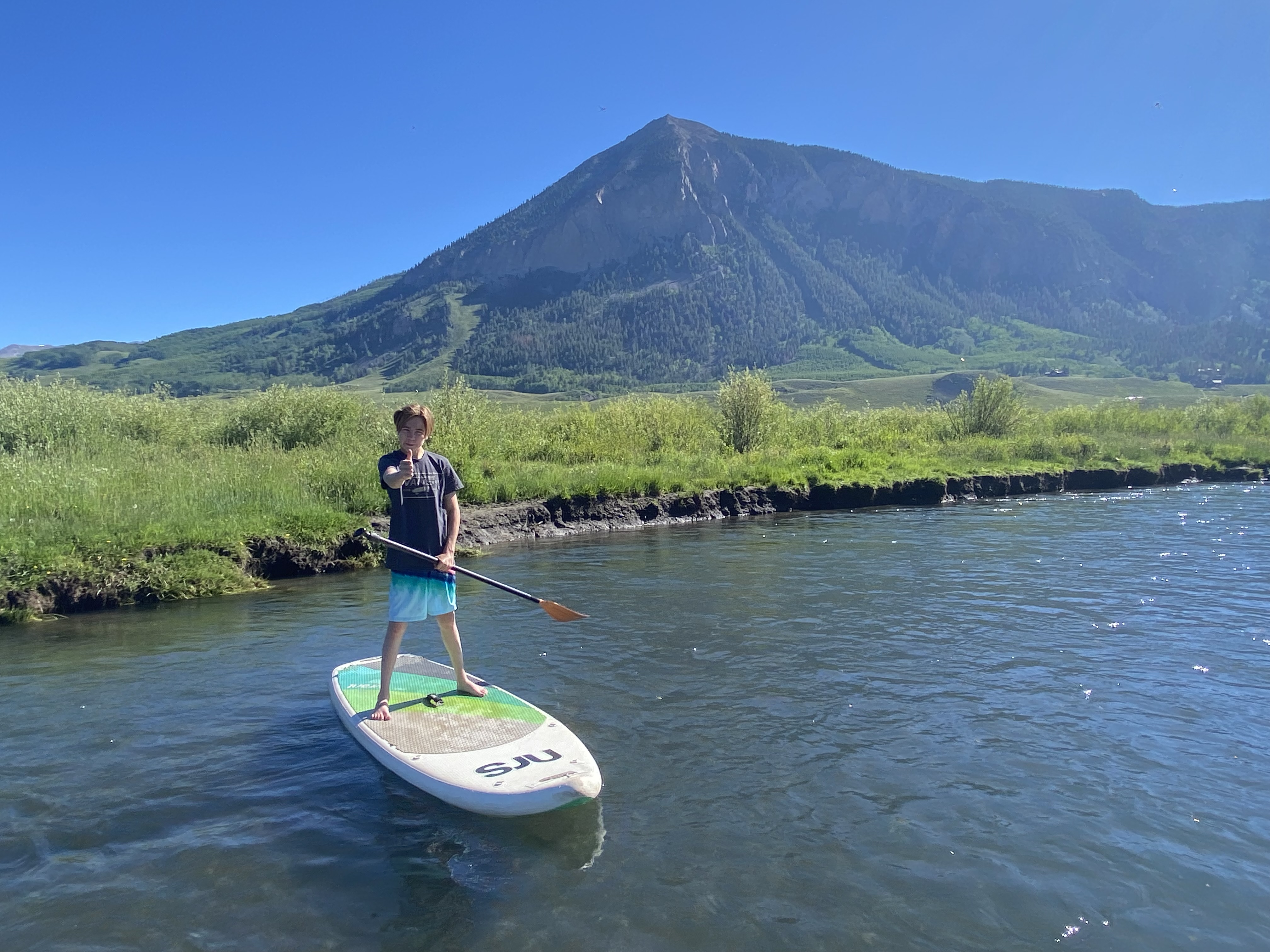
If you are visiting the mountains, paddleboarding is one of the best ways to enjoy alpine lakes and scenic views.
For visitors in Colorado, paddleboarding can become one of the most memorable parts of a summer trip.
What You Need Before You Paddleboard for the First Time
Before learning how to paddleboard for the first time, it helps to know what gear you need. The good news is that paddleboarding is simple. You only need a few basics.
Paddleboard
The most important part of your first experience is using the right board. Beginners do best on a stable board that feels wide and balanced on the water. A board that is too small or unstable can make learning frustrating.
Paddle
A properly sized paddle helps you move more efficiently and makes the experience more comfortable. Most rental setups include an adjustable paddle.
Personal flotation device
A life jacket or personal flotation device is a smart choice for beginners and adds peace of mind on the water.
Leash
A leash keeps you connected to your board if you fall in so it does not drift away.
Sun protection
Bring sunscreen, sunglasses, and a hat. If you are paddleboarding at elevation, the sun can feel especially strong.
Water and small essentials
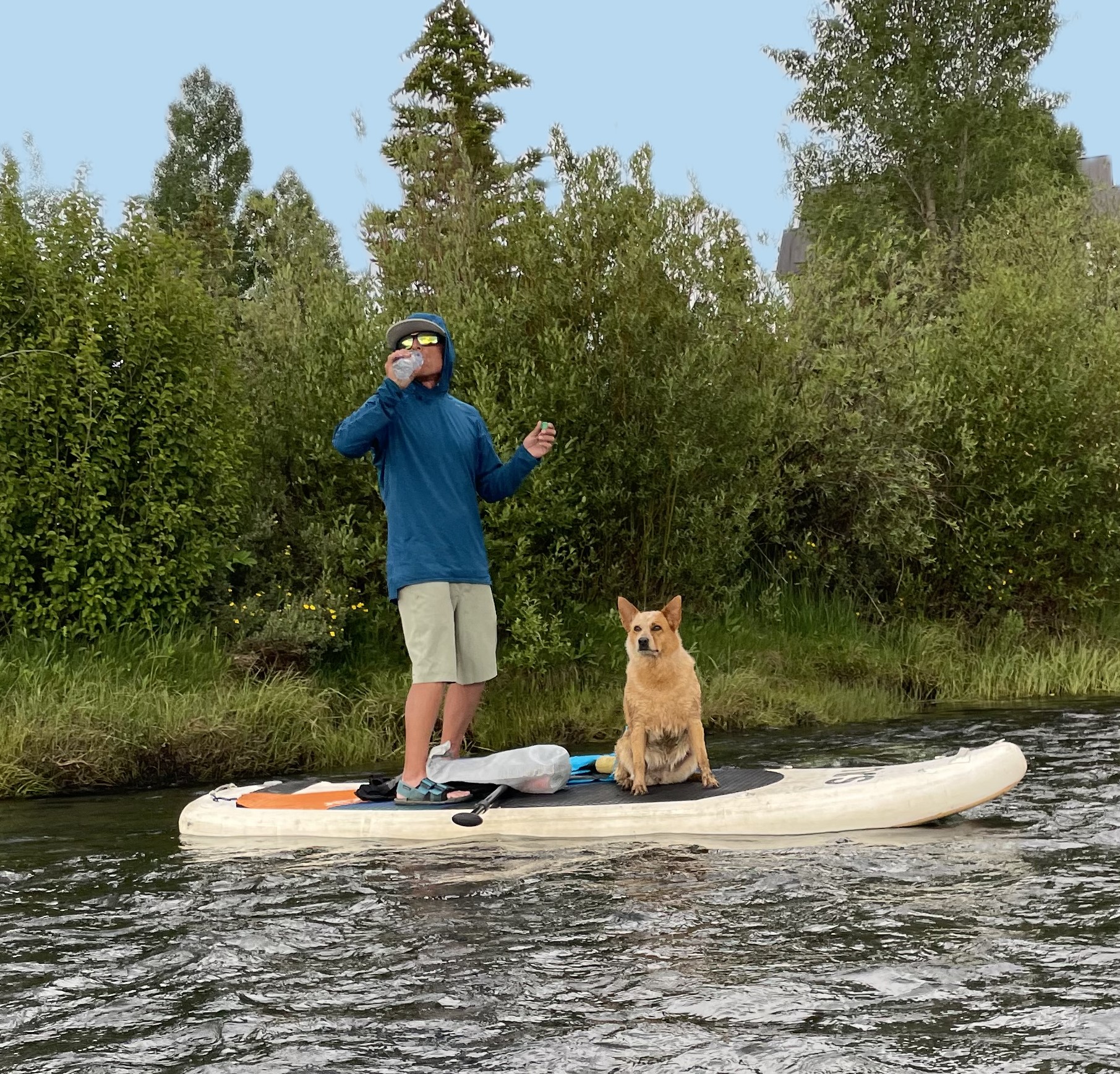
A bottle of water and a few essentials in a dry bag can make your first outing a lot more comfortable.
If you do not have your own gear, Float Shack offers paddleboard rentals that make it easy to try paddleboarding without the hassle of buying.
Choose Calm Water for Your First Paddleboarding Trip
The best place to learn how to paddleboard for the first time is calm, flat water. Your first experience will be much better if you avoid wind, boat traffic, and strong current.
Best beginner conditions
Calm lake water
Easy launch area
Minimal wind
Plenty of room to practice
Safe shoreline access
Beginners usually do best early in the day when the water is smoother. Morning conditions are often more peaceful and easier for learning balance.
How to Get on a Paddleboard for the First Time
Getting on the board is often the first thing beginners worry about. Thankfully, it is simple when you take it step by step.
Start in shallow water
Walk your board into shallow, calm water where you can comfortably stand. This gives you a safe place to begin without feeling rushed.
Hold the board steady
Position the board so it feels stable and point it away from shore.
Get on the board from your knees
Place one knee on the board, then the other, and move into a kneeling position near the center. Most boards have a carry handle in the middle, and that is usually a good guide for your starting position.
Pause and get comfortable
Before trying to stand, stay on your knees for a moment. Let yourself get used to how the board feels on the water.
Starting on your knees is one of the best beginner tips because it builds confidence quickly.
How to Stand Up on a Paddleboard
One of the most searched beginner questions is how to stand up on a paddleboard. The key is to move slowly and keep your weight centered.
Step 1: Start from your knees
Once you are stable on your knees, place the paddle across the board in front of you for support if needed.
Step 2: Bring one foot up at a time
Put one foot where your knee was, then the other, keeping your body low.
Step 3: Rise slowly
Stand up slowly rather than jumping up fast. Keep your knees slightly bent as you come up.
Step 4: Stay centered
Try to keep your feet about shoulder width apart and centered on the board.
Step 5: Look forward
Do not stare down at your feet. Looking ahead helps your balance much more.
If standing feels awkward at first, that is normal. Most people feel better after a few minutes.
How to Balance on a Paddleboard
Balance is the biggest concern for many beginners. The truth is that paddleboard balance improves faster than most people expect.
Keep your knees soft
Slightly bent knees help your body absorb small movements in the water.
Look at the horizon
Looking forward instead of down helps you stay balanced.
Stand with feet shoulder-width apart
A comfortable athletic stance gives you more stability.
Relax your body
Tension makes balancing harder. Stay loose in your shoulders and legs.
Use your paddle
The paddle can help with balance, not just movement. Light paddling often makes you feel more stable.
If you wobble a little, that is normal. It does not mean you are doing anything wrong.
How to Hold a Paddle the Right Way
Many beginners accidentally hold the paddle backward. Learning this early makes a big difference.
The paddle blade should angle forward
When you hold the paddle correctly, the blade angles away from you, not toward you.
One hand goes on the top handle
Your top hand should hold the grip at the top of the paddle.
The other hand goes on the shaft
Place your lower hand on the shaft at a comfortable distance, usually around shoulder width from the top hand.
Holding the paddle correctly makes your strokes smoother and more efficient.
Basic Paddleboarding Strokes for Beginners
You do not need to learn advanced techniques on your first day. A few simple strokes are enough to start moving confidently.
Forward stroke
Reach the paddle forward, put the blade in the water, and pull it back alongside the board. This is the basic movement for going forward.
Reverse stroke
Place the paddle behind you and pull it forward. This helps you slow down or move backward.
Sweep stroke
Make a wider arc with the paddle to help turn the board.
These simple paddleboard strokes are enough for most first-time outings. Once you get used to them, the sport starts to feel much easier.
Common First-Time Paddleboarding Mistakes
A big part of learning how to paddleboard for the first time is knowing what mistakes to avoid.
Starting in windy conditions
Wind makes paddleboarding much harder for beginners. Calm mornings are best.
Standing too stiff
Rigid legs and tight shoulders make balancing more difficult.
Looking down
Looking at your feet throws off your balance. Look ahead instead.
Using the wrong board
A board that is too small or unstable can turn an easy sport into a frustrating one.
Going too far from shore
Stay closer to shore during your first outing so you feel more comfortable and confident.
Rushing the learning process
There is no need to stand up immediately. Starting on your knees is perfectly fine.
Avoiding these mistakes can make your first paddleboarding trip much more enjoyable.
What to Wear for Your First Paddleboarding Trip
Another common beginner question is what to wear when paddleboarding for the first time. Comfort matters most.
Good beginner clothing options
Swimsuit or quick-dry clothes
Athletic shirt or sun shirt
Hat and sunglasses
Water-friendly sandals or barefoot, depending on the launch
If you are paddleboarding in the mountains, it is also smart to bring an extra layer because temperatures can change quickly.
Paddleboarding Safety Tips for First-Time Beginners
Safety should always be part of your first paddleboarding experience. A few simple habits help a lot.
Wear a flotation device
A personal flotation device is a smart choice, especially if you are new to the sport.
Check the weather
Wind and changing weather can affect conditions fast, especially in mountain areas.
Start in calm water
Your first paddleboarding trip should be on flat, easy water rather than current or rough conditions.
Stay close to shore
There is no need to paddle far away during your first outing.
Paddle with a friend
Going with someone else is safer and can make the experience more fun.
Know your limits
It is okay to kneel, take breaks, or head in early.
For first-time paddlers, Float Shack can help point you toward beginner-friendly water and make sure you have the right equipment for a safe, enjoyable day.
Why Renting Is the Best Option for First-Time Paddleboarders
If you are learning how to paddleboard for the first time, renting is often the easiest and smartest choice.
No big upfront cost
You can try the sport without buying a board.
No transport hassle
You do not need to figure out how to carry a paddleboard on your car or bring one on vacation.
Better beginner equipment
Rental shops often offer stable, beginner-friendly boards that are easier to learn on.
Helpful local advice
A good rental shop can recommend the best lakes, best times, and best board for your first outing.
This is where Float Shack becomes a great fit for first-time paddlers. With easy paddleboard rentals, beginner-friendly boards, and local guidance, Float Shack helps make your first trip smoother from the start.
Reserve Your Paddleboard Rental
How to Build Confidence on Your First Paddleboard Trip
Confidence comes from starting simple. You do not need to master everything on day one.
Good first-day goals
Get comfortable kneeling on the board
Stand up once or twice
Paddle in a straight line
Practice a turn
Relax and enjoy the scenery
Even a short paddle can be a big success. Once you have one good outing, the next one feels much easier.
Why Paddleboarding Is Worth Trying
Paddleboarding is worth trying because it offers so much with so little barrier to entry. You get movement, scenery, fun, and time outdoors without needing complicated instruction or expensive gear.
It can be peaceful and relaxing or active and adventurous. It works for many people, and it is one of those activities that feels rewarding almost immediately. That is why so many first-time paddlers end up wanting to go again.
Start Your First Paddleboarding Adventure With Float Shack
Learning how to paddleboard for the first time is much easier when you keep it simple. Start on calm water, use a stable board, move slowly, and give yourself time to relax into the experience.
If you are planning a paddleboarding day near Crested Butte, Float Shack makes the process easy with beginner-friendly rentals, local knowledge, and the gear you need to enjoy your first time on the water.
Ready to try paddleboarding for the first time? Reserve your paddleboard with Float Shack and turn your first outing into an unforgettable mountain lake adventure.